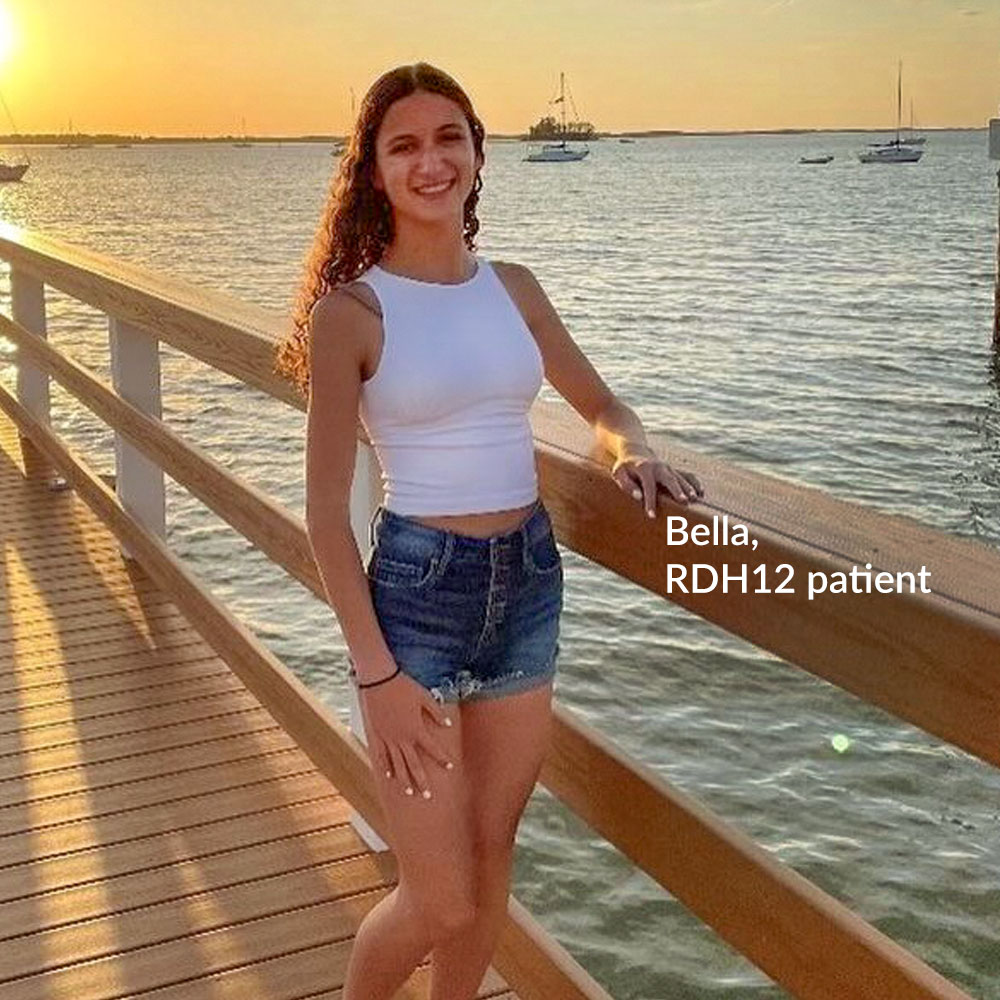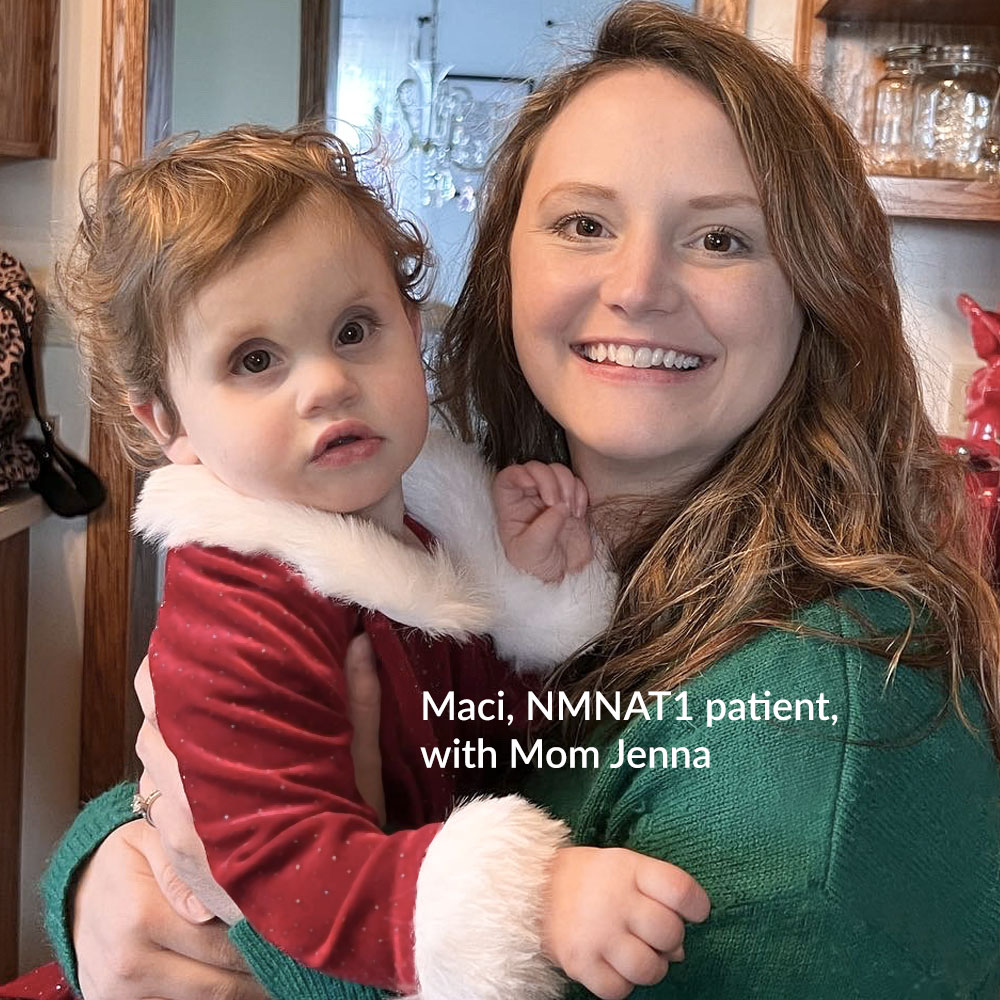
At Opus Genetics, our mission begins and ends with you—the patients and families living with inherited retinal diseases (IRDs). We believe sight is worth fighting for, and everyone deserves the chance to see what makes life beautiful. Together with scientists, doctors, and most importantly, you, we are developing gene therapies that have the potential to transform lives.
Why gene therapy?
IRDs are caused by genetic mutations that prevent the production or proper function of proteins essential for vision. Gene therapy works by delivering a healthy copy of the affected gene to retinal cells, aiming to restore function and slow or stop disease progression.
Why the eye is an ideal target for gene therapy:
- Small dose required
- Ability to precisely place the dose in the subretinal space
- Built-in defense against inflammation
- Ability to monitor safety and efficacy with non-invasive imaging and functional tests
Our Programs
We are advancing treatments for ultra-rare IRDs where no approved therapies exist today.
Clinical Trials
- OPGx-LCA5 – For Leber congenital amaurosis type 5 (LCA5). Early trial results show meaningful improvements in vision for both adult and pediatric participants. Trial enrollment is ongoing for the run-in period for our planned, Phase 3 trial.
- OPGx-BEST1 – For Best Vitelliform Macular Dystrophy (BVMD) and Autosomal Recessive Bestrophinopathy (ARB). The trial is ongoing with our first participant enrolled and dosed.
Preclinical Pipeline – We are also developing therapies for additional IRDs, including RDH12, MERTK, RHO, CNGB1, and NMNAT1
Patient Advocacy & Community
Opus Genetics was founded in partnership with the Foundation Fighting Blindness. We continue to partner with advocacy groups including, Hope in Focus, Eyes on the Future, and RDH12 Fund for Sight.
Interested in sharing your story or partnering together? Contact us at [email protected]
Patient Resources
We understand there is great interest within the patient community to advance the science, and we are committed to developing transformative retinal gene therapy treatments for patients.
Opus’ Expanded Access (EAP) policy applies to selected programs and sets forth the general guidelines that apply to ensure that requests for access to our investigational medicines are processed in accordance with applicable legal, medical, and regulatory requirements, as well as in alignment with Opus’ policies and procedures. Patients and families can find more details on Opus’ EAP program at the Reagan-Udall’s Expanded Access Patient Navigator (Opus Genetics, Inc. | Expanded Access Navigator) and Clinicaltrials.gov (Study Details | Safety and Tolerability Subretinal OPGx-001 for LCA5-Associated Inherited Retinal Degeneration (LCA5-IRD) | ClinicalTrials.gov).
For more information and to get added to the Opus patient newsletter to keep updated on our progress, complete the form below:
“While potential treatments for these ultra-rare conditions have existed for years, families have been stuck in a holding pattern waiting on someone to deliver a feasible business model to bring them to market. We’re thrilled to be a part of the launch of Opus Genetics to establish a patient-first priority and build capabilities to bring life-altering treatments for the people who need them most.”
– Paul Manning, Manning Family Foundation