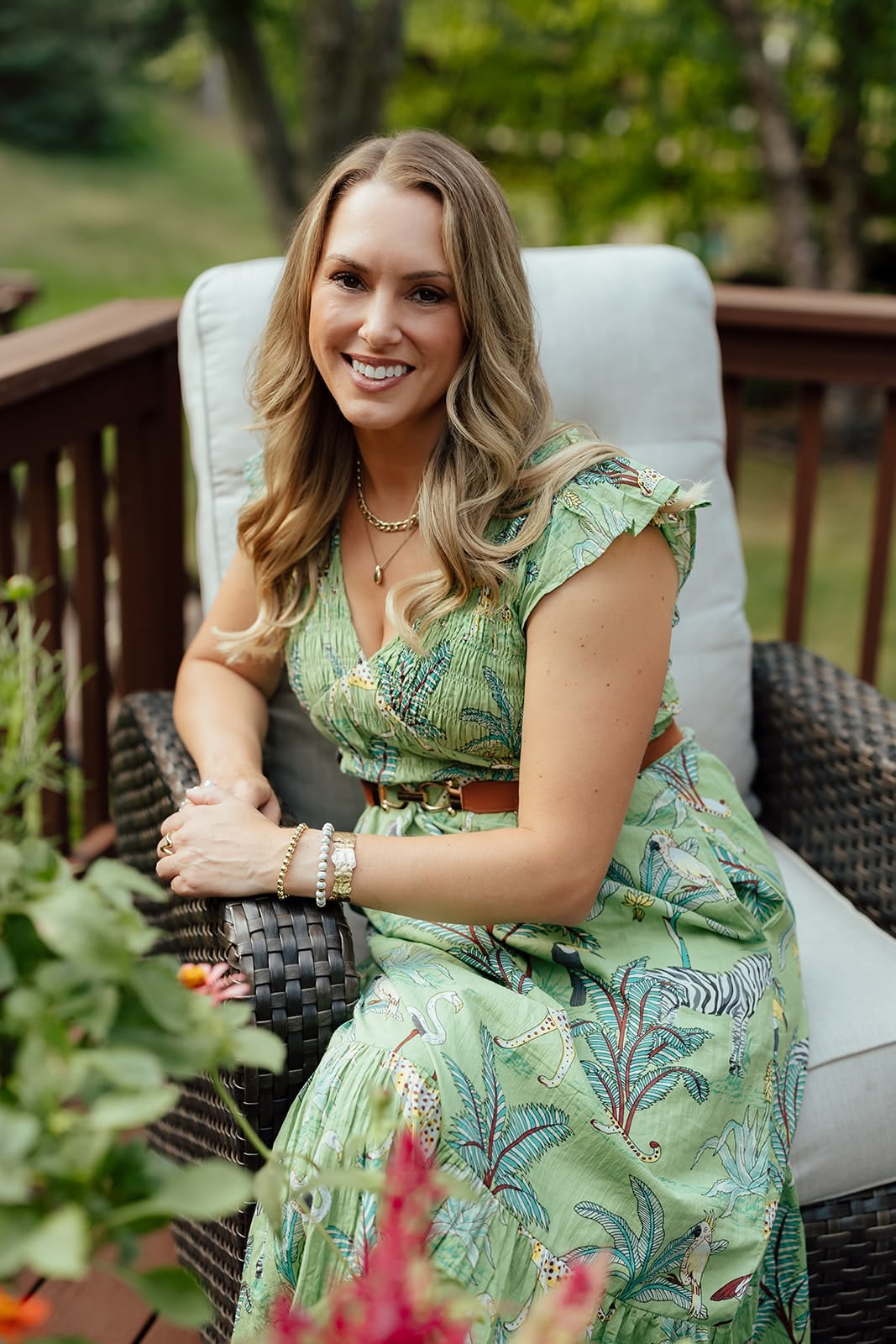
For most of her life, Gina never gave a second thought to her vision. With 20/20 eyesight, she was known as the sibling with “the good eyes” in a family where everyone wore glasses, and both of her brothers chose to have refractive eye surgery in their twenties.

A Life Focused on Helping Others
A career in medical sales led Gina to patient-centered roles early-on, where she found purpose in helping others navigate health challenges. Her passion began in weight management and deepened in her 10 years working in hearing healthcare, where she educated patients about hearing loss and the benefits of early intervention with hearing aids. Gina was particularly passionate about translating complex clinical data into meaningful conversations that helped patients feel understood and supported. Assisting audiologists during hearing aid fittings allowed her to witness life-changing moments as people reconnected with loved ones and the world around them. These experiences reinforced how precious our senses are and how isolating it can feel when they begin to fade.
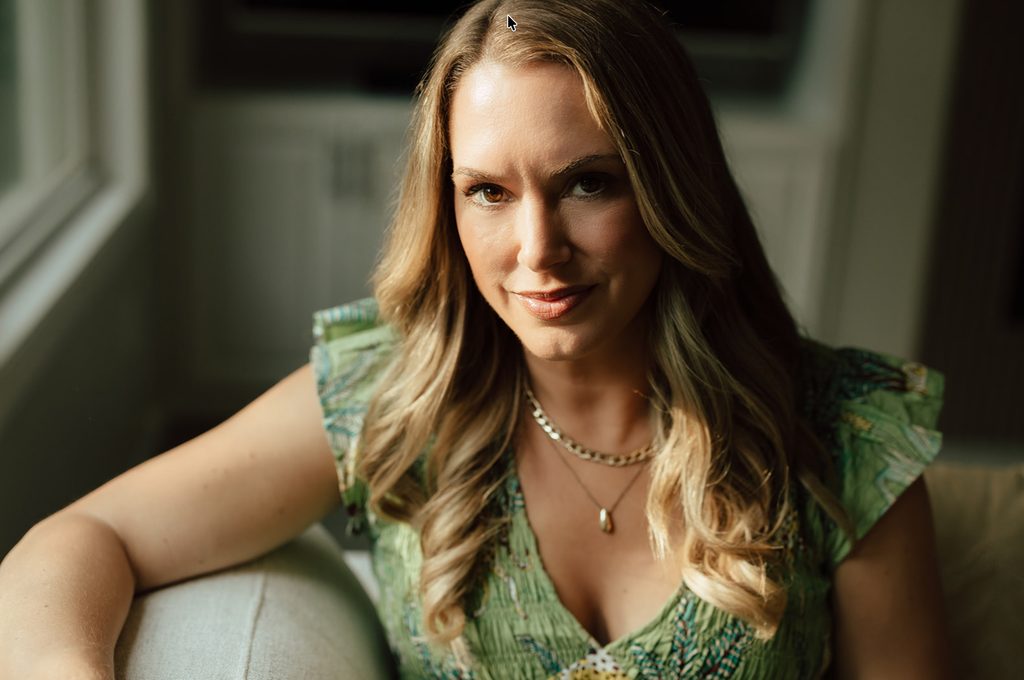
That understanding extends beyond her career, which now focuses on medical device and infection prevention technologies, where positive patient outcomes continue to drive her work. Whether volunteering, supporting Special Olympics athletes, or giving back to her community, Gina is passionate about encouraging others and helping people of all abilities thrive. She has always been grateful for her own abilities and never taken them for granted.
Seeing the World Differently
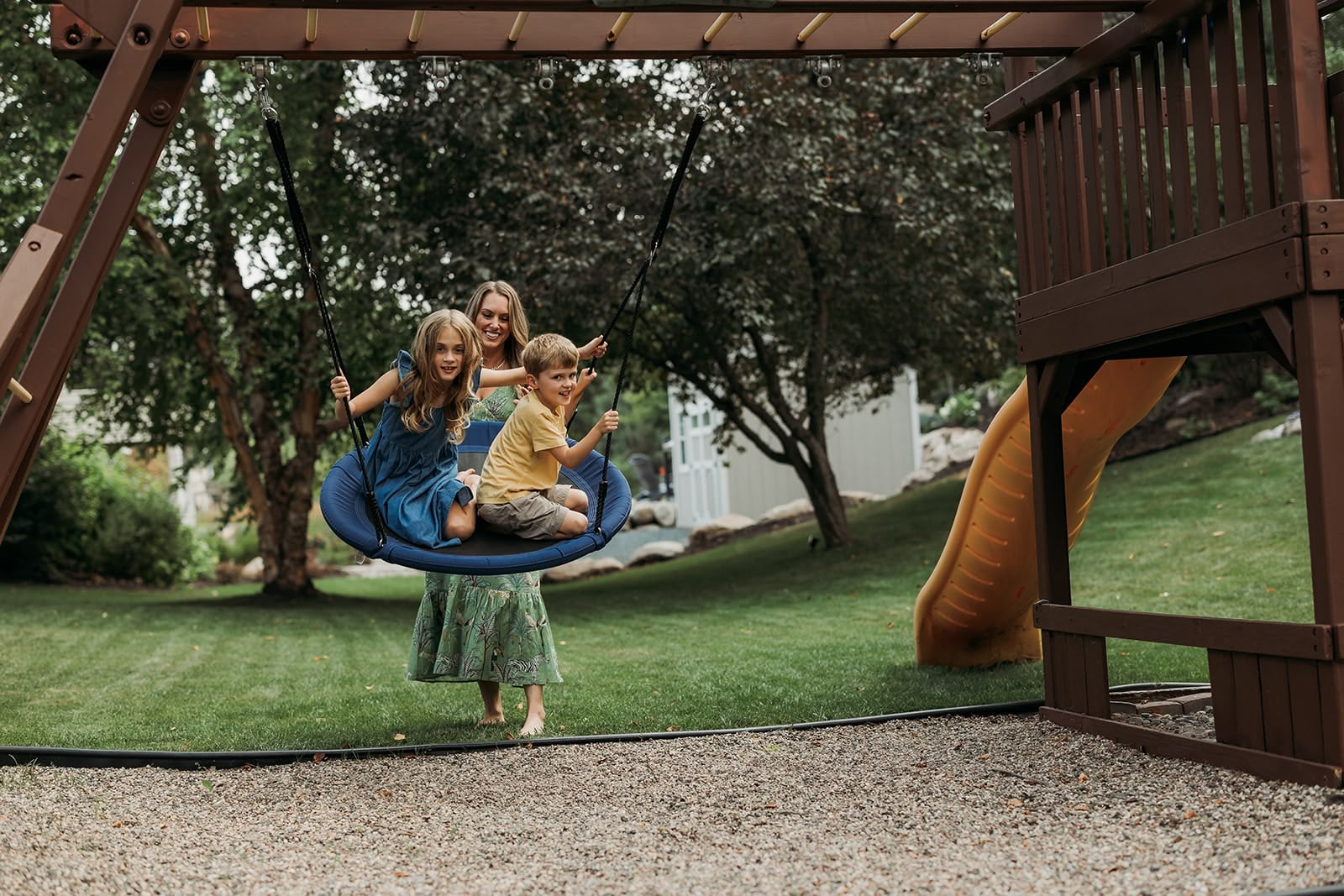
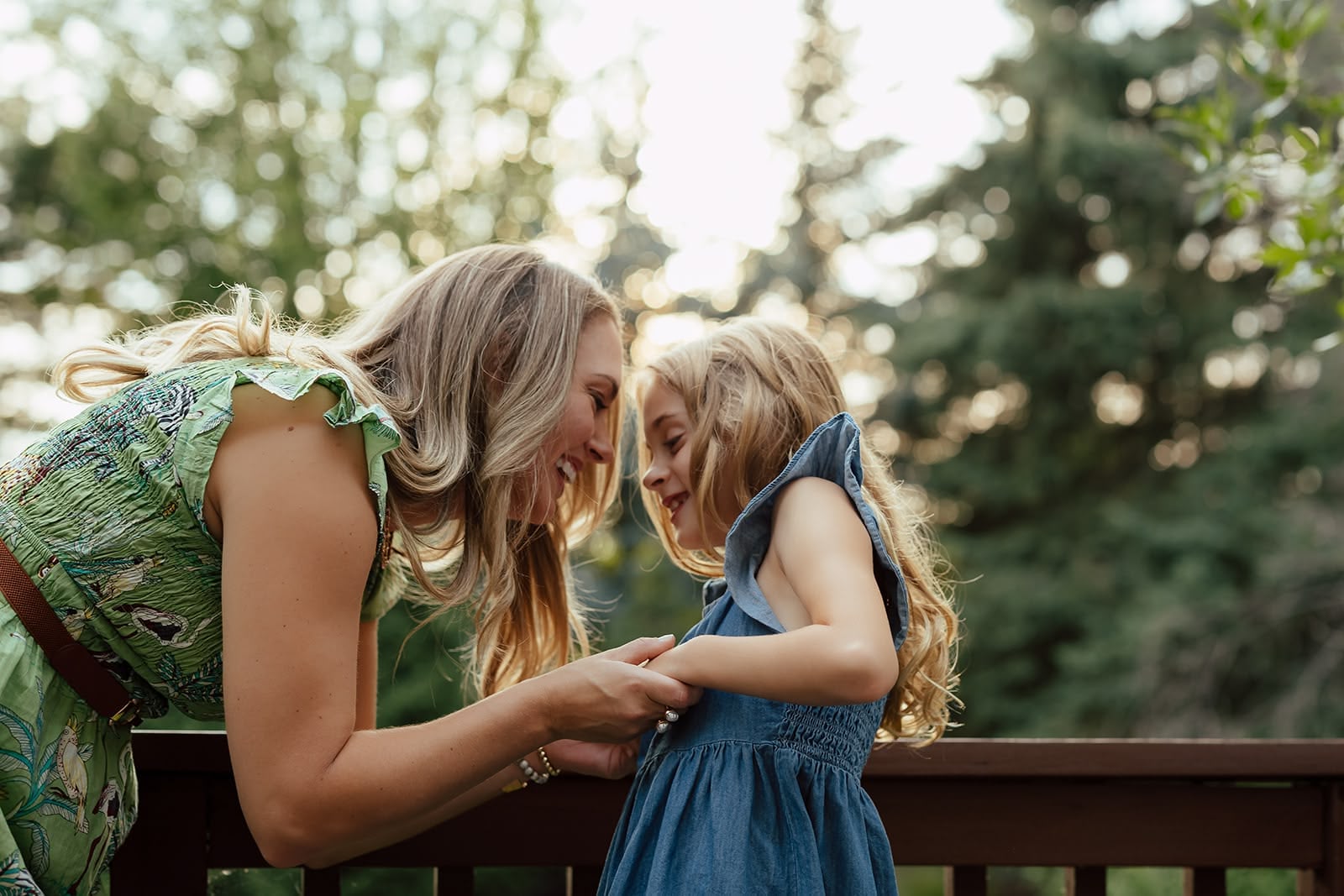
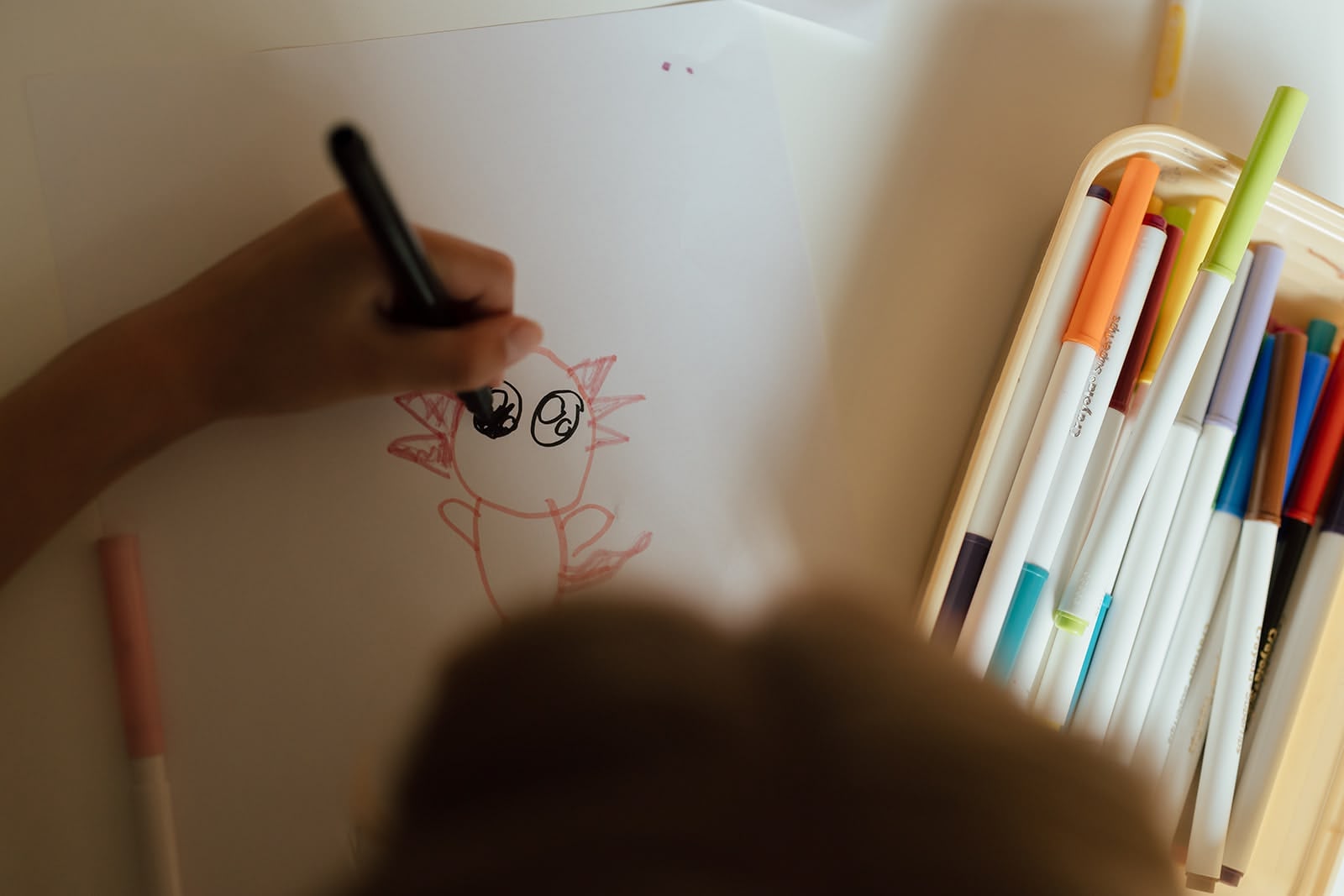
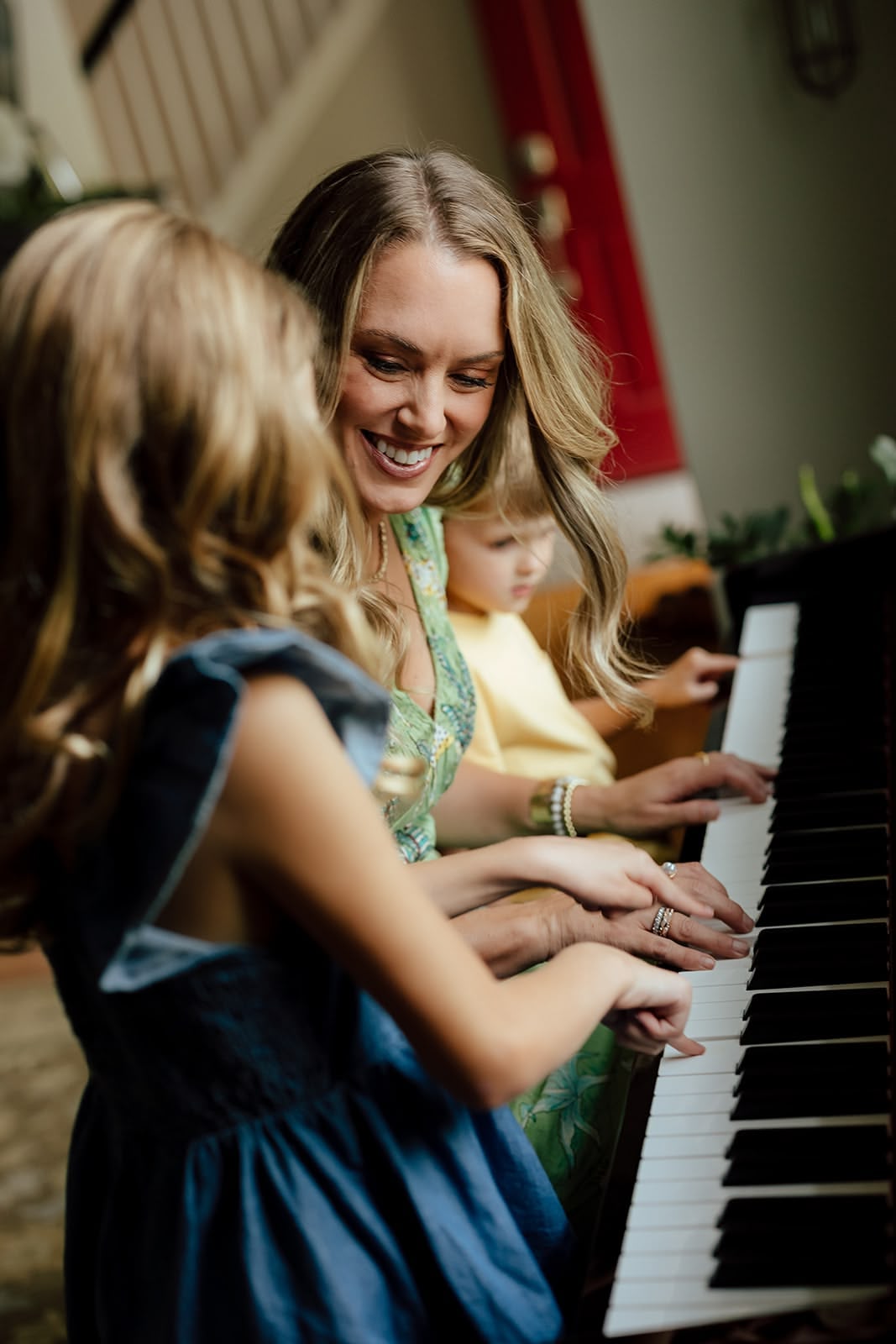
In her free time, Gina enjoys adventuring with her two children, ages 6 & 8. She loves gardening and tackling ambitious landscaping and home renovation projects. She enjoys bringing creative visions to life, finding beauty in both the details and the bigger picture. Friends often complimented her eye for design, attention to detail, and ability to see possibilities others might miss. Those words took on a very different meaning in the winter of 2020.
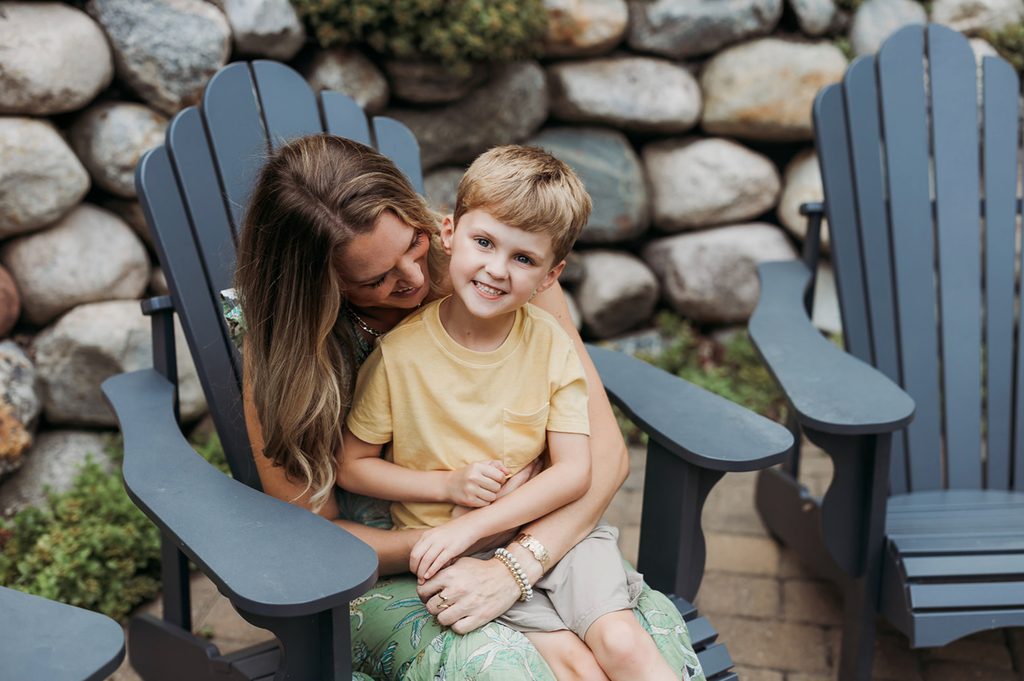
While pregnant with her second child, Gina first noticed visual distortion in her right eye while gazing out the window through horizontal blinds. Covering each eye, she realized that everything she focused on with her right eye appeared wavy and distorted. Assuming it might be pregnancy-related, she consulted her physician. When routine testing came back normal, she was referred for a comprehensive eye exam. What followed would change her life.
A Diagnosis with No Available Treatment
Within months, Gina found herself meeting with genetic counselors and retinal specialists at Mayo Clinic. She was diagnosed with Best vitelliform macular dystrophy (BVMD), a rare inherited retinal disease more commonly known as Best disease. She was told there were no treatments or cures available. Because the disease was already affecting both eyes, Gina was faced with the reality that she could eventually lose her central vision.

Although the diagnosis was supported by clear scientific evidence, accepting it was far from easy. For the first few years following her diagnosis, Gina struggled to reconcile the reality of progressive vision loss with the life she had always known. Each scan showing change and each new symptom served as a reminder of an uncertain future. Yet she remained hopeful that advances in research would one day lead to treatments capable of slowing or stopping the disease.
Choosing to Share Her Story
In most areas of life, Gina would describe herself as an over-talker, over-thinker and over-sharer. However, when it comes to her struggles with health, Gina has been very guarded and private. For years, she told very few people, only sharing her diagnosis with close family and friends. She never wanted to be defined by a disability or viewed through the lens of pity.
Everything changed when she learned about the work Opus Genetics was doing to advance gene therapy for Best disease. Inspired by the possibility of progress, Gina chose to step forward and share her story. By raising awareness and supporting research, she realized she could continue doing what has always mattered most to her: helping others.
Hope for the Future
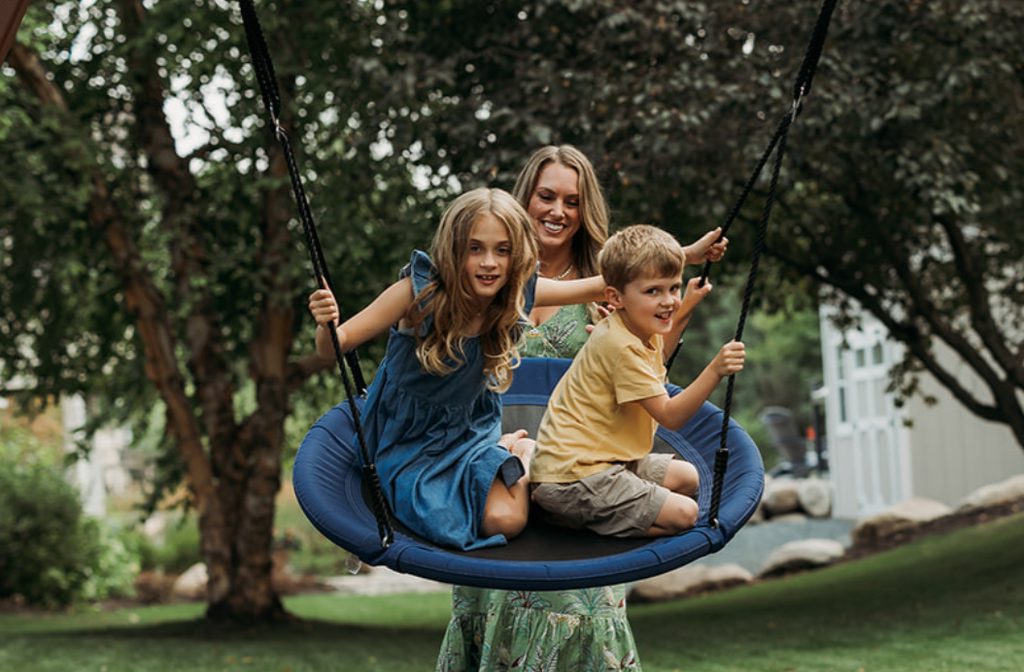
Today, Gina’s hope extends beyond herself. She hopes that by sharing her experience, she can help bring greater awareness to Best disease, support other patients and families, support the development of new treatments, and help create a brighter future for others living with inherited retinal diseases.